Winter considerations across Delaware
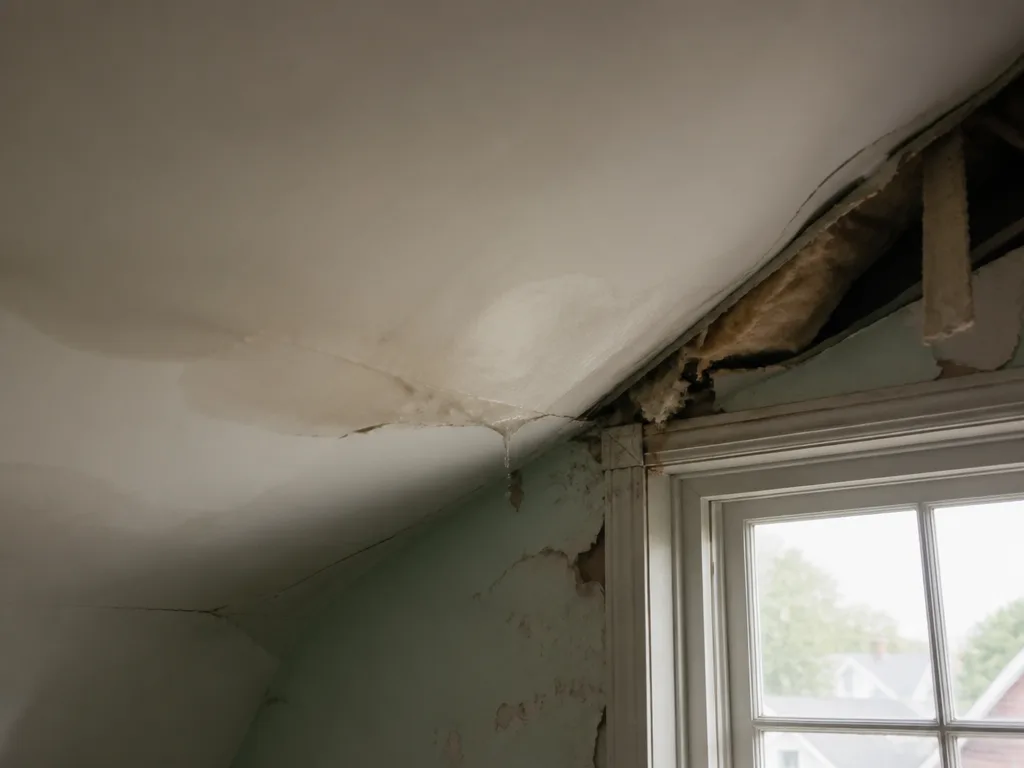
Cold months bring humidity shifts and freezing concerns. In Delaware, you’ll want to check for cold spots near windows and doors where moisture can condense. Ensure attic vents are clear and insulation is intact so warm air doesn’t meet cold surfaces and create condensation. Our restoration specialists recommend a quick seasonal walk-through to spot early signs of moisture migration before it becomes a problem statewide.
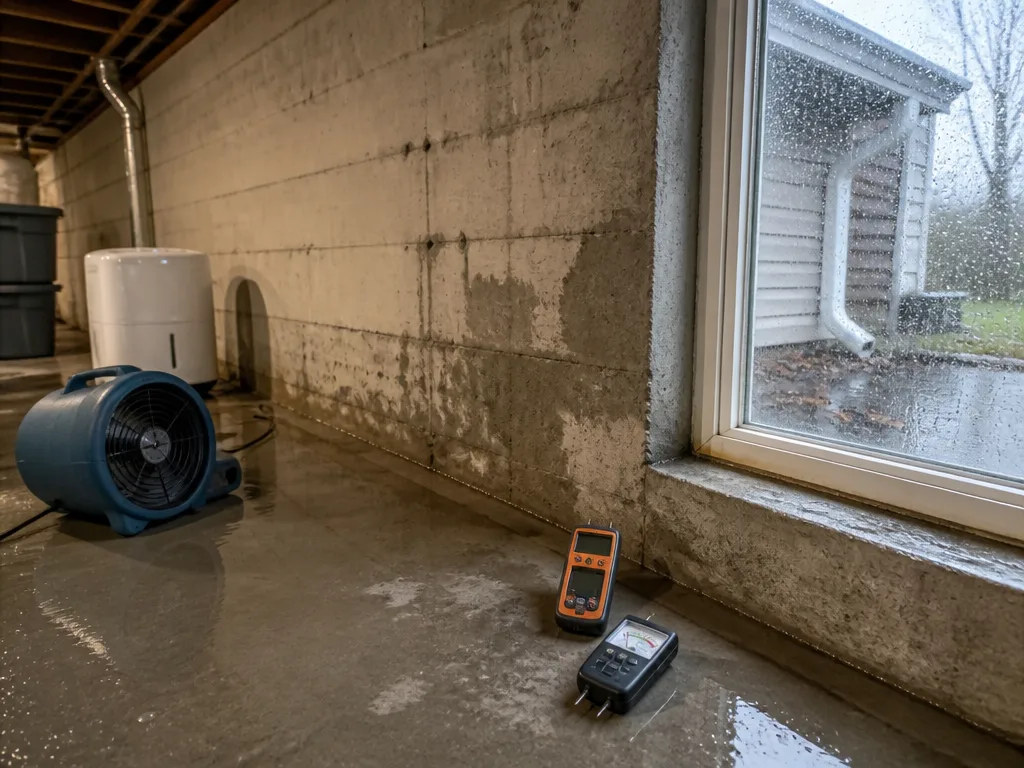
During winter storms, interior humidity can rise from indoor heating. Use a dehumidifier in damp basements or crawl spaces and keep vents balanced so you don’t trap moisture in hidden pockets. A small, continuous effort can prevent larger cleanup later, and it keeps crews ready across Delaware should a concern arise.
Spring and early summer prep
As temperatures rise, moisture levels can surge in basements, garages, and utility rooms. Check for standing water after heavy rains and ensure exterior drainage directs water away from the home. A quick lawn and gutter inspection helps keep water from pooling near foundations. Our restoration specialists can advise on drainage improvements that fit Delaware’s landscape while you plan routine maintenance.
Ventilation matters more as air quality shifts indoors. Open vents and use fans in damp areas to improve evaporation. If you notice persistent dampness after a storm, call a restoration service that operates statewide so you receive consistent guidance and prompt scheduling.
Fall readiness and year-round habits
Fall is a good time to seal gaps where moisture can enter. Check window and door frames for drafts and reseal as needed. In Delaware, sealing and minor repairs can prevent cold air from meeting interior humidity, reducing condensation risks. Keep gutters clean so rainwater flows away from the foundation. A little maintenance now pays off in fewer moisture concerns through the holidays and beyond.
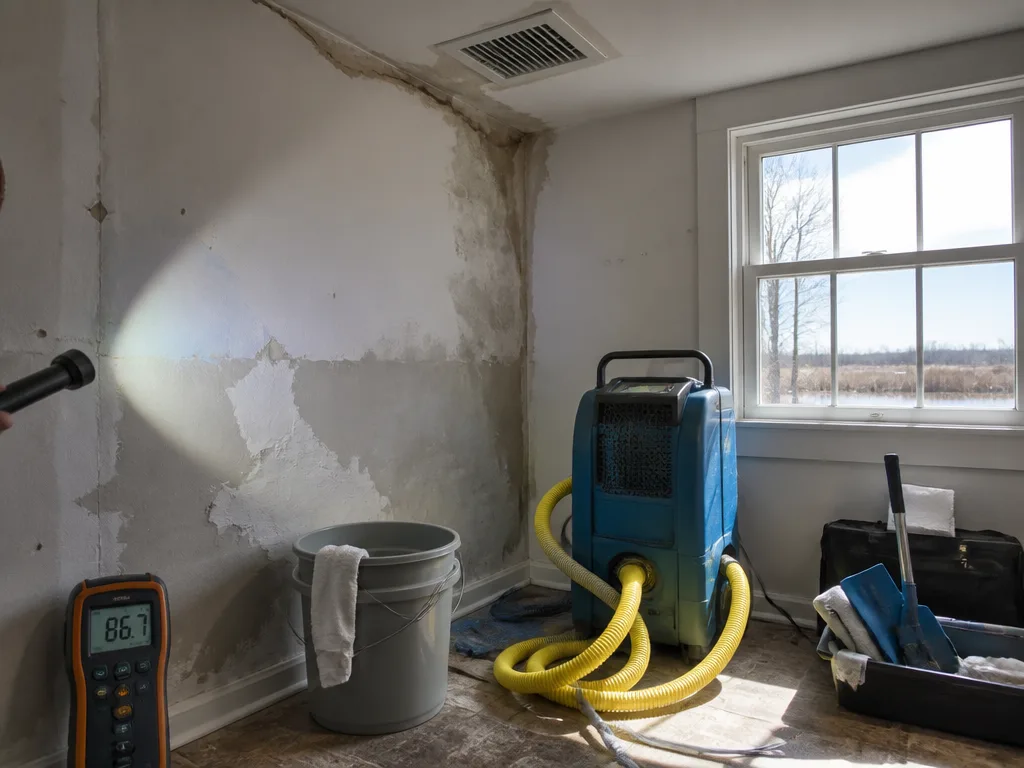
Finally, maintain a simple monitoring routine. A moisture meter in basements, crawl spaces, or garages can provide early warning. If you detect elevated readings, or you’re unsure about a damp area, reach out to restoration specialists who cover the entire state of Delaware. They’ll help you interpret the numbers and map out a practical plan.